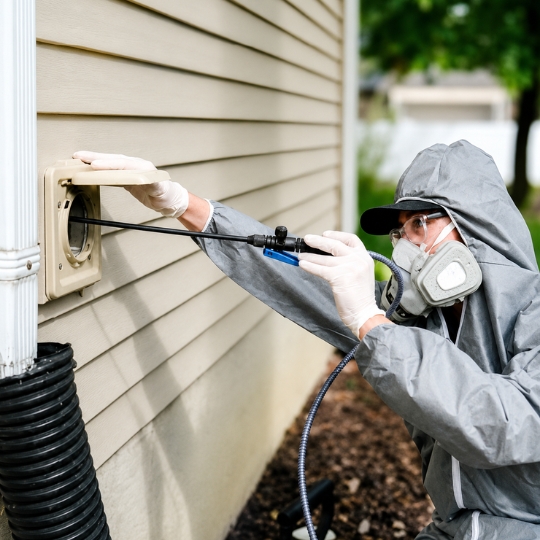
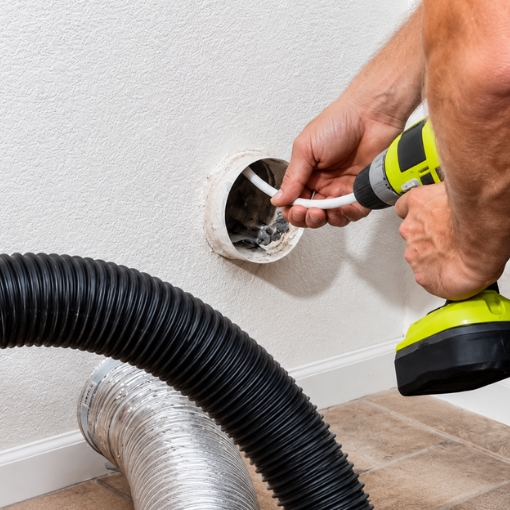
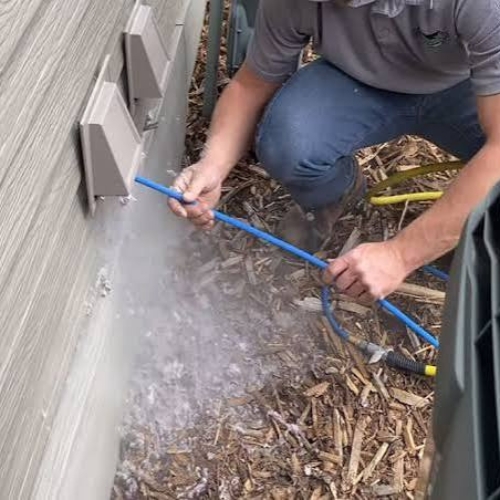
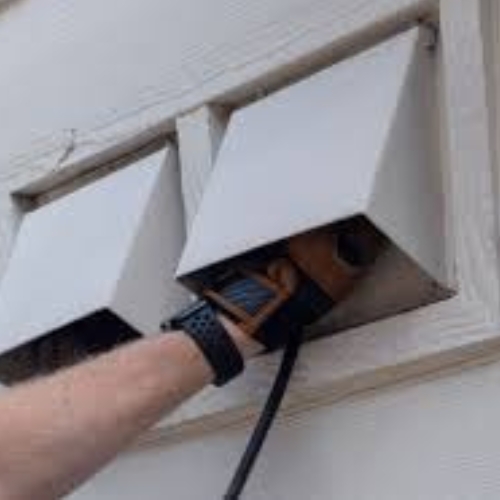
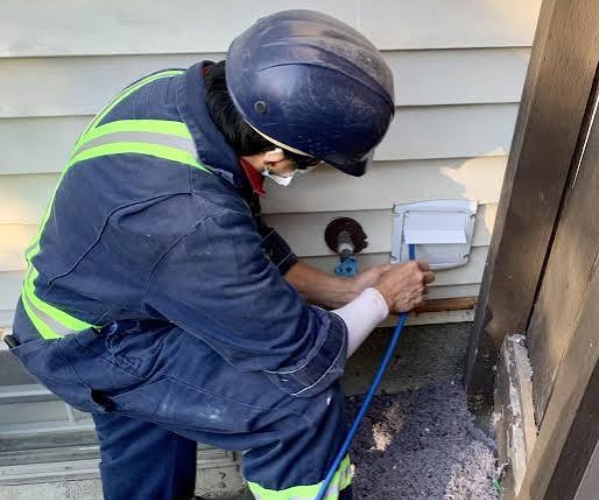
Between August and October 2026 we cleaned 14 dryer vents across the Valley, from Brownsville and Harlingen to Pharr, Edinburg and Laguna Vista. Eight of them were in one Alamo neighborhood, cleaned back to back over two days.
Valley humidity makes lint damp and sticky, so it clings to the duct walls instead of blowing out. Many homes also have long runs through the attic, up to the roof or down through the floor, and every bend and sag is a place for lint to pile up. The lint screen catches most of it, not all, and what gets past it builds up year after year.
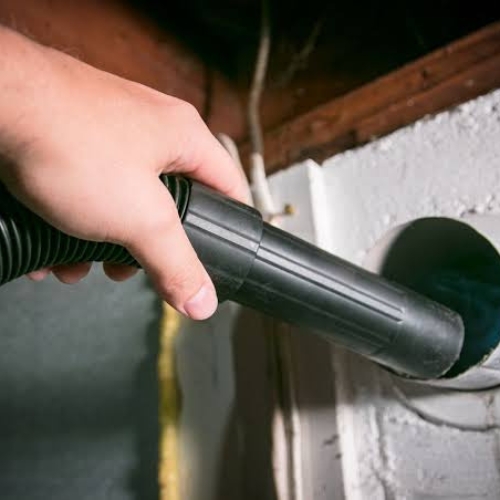
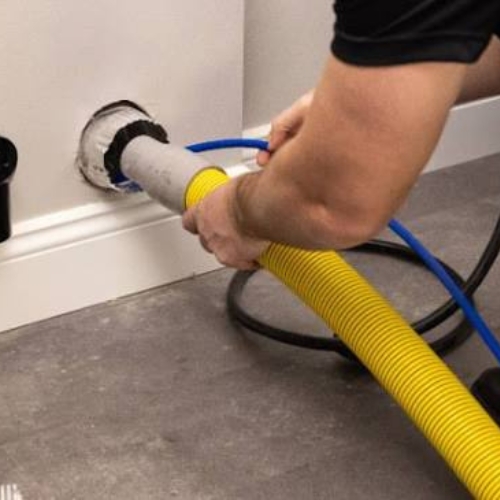
Before we clean, we look at how the vent is routed and where it exits. After cleaning, we check that the outside flap opens and closes, look for crushed or disconnected duct behind the dryer, and run the dryer to confirm strong airflow at the exit. If the hose behind the dryer is crushed foil, we can replace it with a sturdier one.
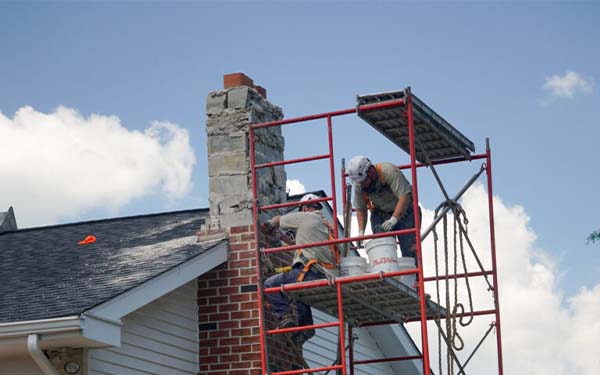
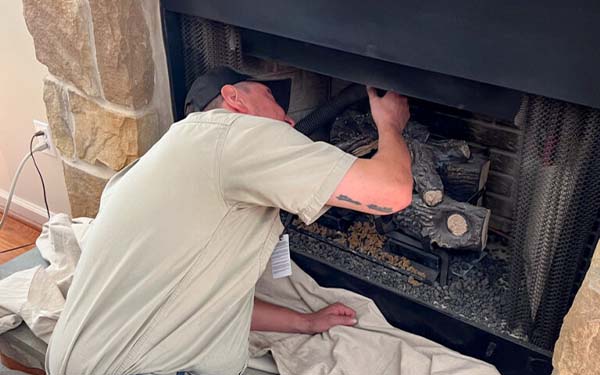
We provide expert chimney and fireplace services designed to improve safety, enhance chimney performance, and create a cleaner, healthier home for you and your family.
Chimney Cleaning
Professional chimney cleaning to ensure safe, efficient home airflow.
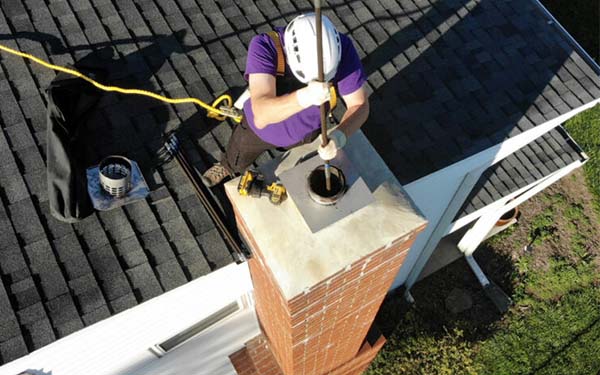
We provide expert chimney and fireplace services designed to improve safety, enhance chimney performance, and create a cleaner, healthier home for you and your family.
Chimney Cleaning
Professional chimney cleaning to ensure safe, efficient home airflow.